Behind the Formation: Ensemble Dancers Are Building Visual Worlds the Spotlight Never Reaches
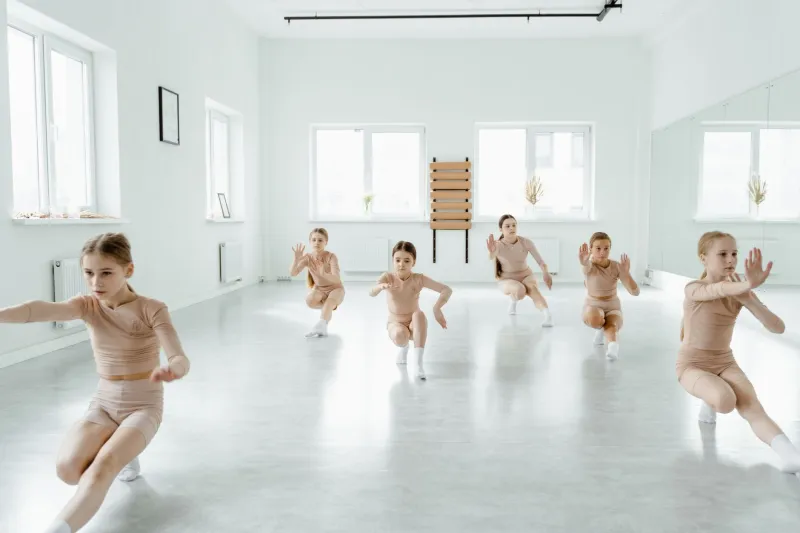
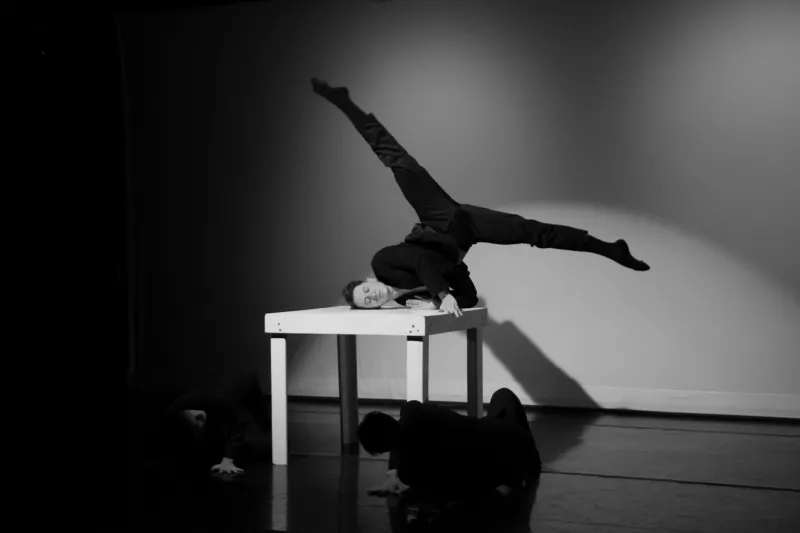
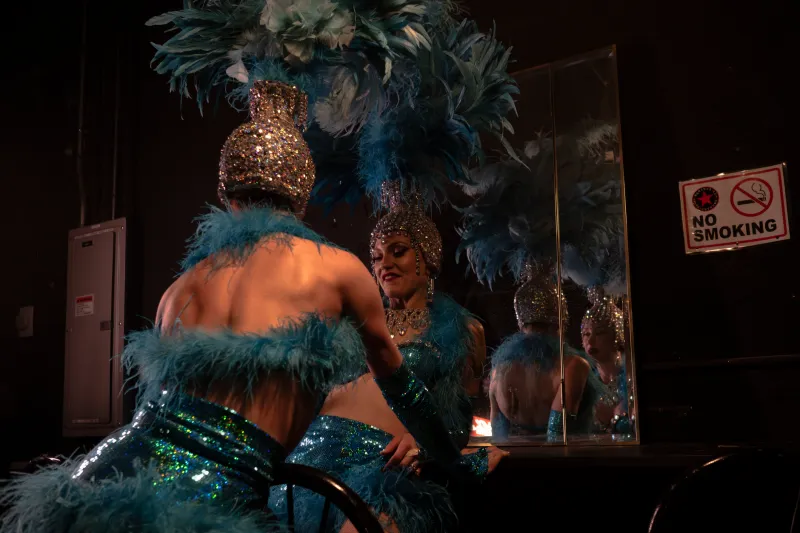
In the hierarchy of a professional dance company, the ensemble dancer occupies a peculiar position. They are indispensable and yet largely invisible — present in every performance, essential to every formation, and almost never named in the program notes that critics actually read. Their labor shapes the work. Their artistry sustains it. And yet the creative record, more often than not, belongs to someone else entirely.
What is changing, quietly and with considerable determination, is what happens after rehearsal ends.
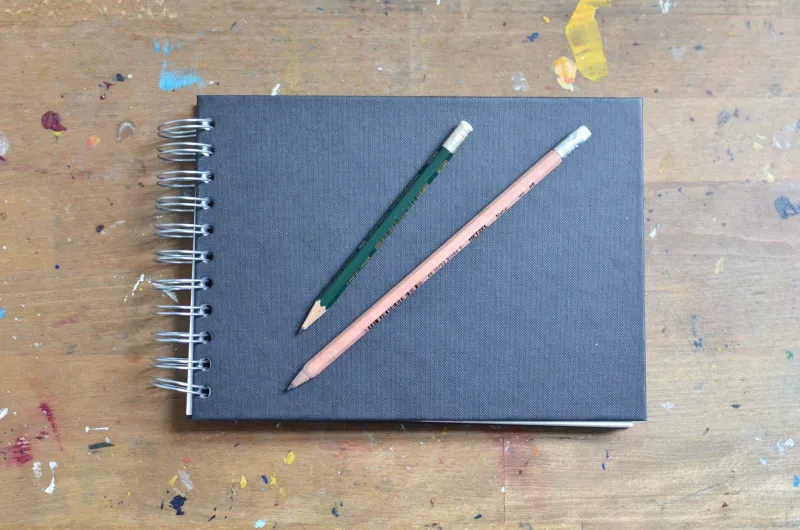
Across the country, from regional ballet companies in the Pacific Northwest to contemporary dance collectives in Chicago and Brooklyn, ensemble dancers are developing sustained visual art practices — sketching, painting, collage, and mixed media work — that function as both personal expression and, in many cases, a deliberate counter-archive to the official documentation of the productions they inhabit. These are not hobbyists filling idle hours. These are artists building visual vocabularies that the stage was never designed to accommodate.
The Space Between Counts
The rehearsal room, for all its creative energy, is a highly structured environment. Direction flows downward. The choreographer's vision is the organizing principle, and the dancer's primary obligation is precise execution. That dynamic is not inherently problematic — it is, in many ways, the functional logic of large-scale performance. But it does leave something unaddressed.
Many ensemble dancers arrive at their positions with years of independent creative development behind them. They have ideas about composition, about spatial relationships, about the emotional textures of movement. Inside the rehearsal room, those ideas are largely beside the point. Outside of it, they have nowhere institutional to go.
Visual art, it turns out, provides exactly that outlet — and something more. Unlike a rehearsal journal or a recorded warm-up, a painting or a mixed media piece is a legible object. It can be displayed, shared, sold, and critically discussed. It enters a different economy of attention than the one that governs performance documentation, where the camera almost always follows the principal dancer.
Sketching What the Camera Misses
For many ensemble dancers, the visual work begins as observation. They sketch their colleagues in motion — not the leads, but the people beside them. The dancer two counts behind. The one in the far left corner whose footwork is technically flawless and whose name will not appear in the review.
This is, in part, an act of witness. The sketches and paintings that emerge from these practices constitute an informal archive of contributions that institutional documentation routinely omits. In that sense, the work carries a quiet political weight. It insists that the person in the ensemble was not simply executing someone else's vision but was present, was thinking, was making choices that shaped what the audience actually saw.
Some dancers have moved beyond documentation into something more openly interpretive. Mixed media pieces that incorporate rehearsal schedules, costume fabric swatches, and handwritten corrections from notes sessions have begun appearing in group shows and online portfolios. These works do not merely record — they reframe. They position the ensemble dancer not as a vessel for choreographic intent but as a layered creative agent whose experience of the work is distinct, textured, and worth examining.
A Different Kind of Score
What strikes observers who engage seriously with this body of work is how often it functions as an alternative score — a parallel notation of the performance experience from a perspective the official choreographic record never captures.
Where Labanotation or video documentation tracks the work as the choreographer conceived it, these visual pieces track the work as it was inhabited from within. They register the fatigue in the third run-through of a technically demanding phrase. They capture the spatial awareness required to maintain formation while tracking a lead performer whose timing shifts slightly from night to night. They document the micro-decisions that ensemble dancers make continuously, invisibly, and without acknowledgment.
In this way, the visual practices of ensemble dancers are doing something that performance scholarship has long struggled to accomplish: they are centering the experiential intelligence of the performer rather than the conceptual architecture of the choreographer.
Claiming the Frame
There is, of course, a tension embedded in this work that is worth naming directly. The ensemble dancer who develops a prominent visual art practice does not automatically gain recognition for their contributions to the productions that inspired it. The two careers remain largely separate in the public imagination, and in the economics of the art world.
What the visual practice does provide, however, is a frame. It gives the ensemble dancer a context in which their perspective is the organizing principle — not a supporting element within someone else's. The canvas, unlike the stage, does not have a hierarchy built into its architecture. There is no downstage center on a 24-by-36-inch panel.
Several dancers working in this space have spoken about the experience of exhibiting their visual work as fundamentally different from performing, even when the content is directly drawn from their performance lives. The act of presenting their own interpretation of the work they have danced — rather than serving as the medium through which a choreographer's interpretation is delivered — carries a distinct psychological and professional weight.
What the Field Owes Them
The dance world in the United States has made meaningful progress in recent years in addressing questions of credit, compensation, and creative recognition. Conversations about who gets named, who gets paid, and whose contribution gets historicized have become more visible in institutional spaces, from nonprofit dance organizations to university programs.
But the visual art practices emerging from ensemble dancers suggest that those conversations have not yet gone far enough. The question is not only whether an ensemble dancer receives appropriate credit in a program — it is whether the field has developed any genuine infrastructure for recognizing the creative intelligence that those dancers bring to the work.
The sketches piling up in studio apartments, the mixed media pieces assembled from rehearsal ephemera, the paintings that document what the camera never bothered to frame — these are not peripheral artifacts. They are evidence of a creative life that the official record of American dance has consistently failed to honor.
The ensemble dancer's canvas is, in this sense, both a personal practice and a structural critique. It does not wait for the field to catch up. It simply begins, quietly, in the space between counts, and builds something that belongs entirely to the person who made it.