Ink & Dance Home

Category

Opinion

6 articles

Close Enough to Hear the Breath: The Case for Underground Dance and What It Costs Us

Close Enough to Hear the Breath: The Case for Underground Dance and What It Costs Us

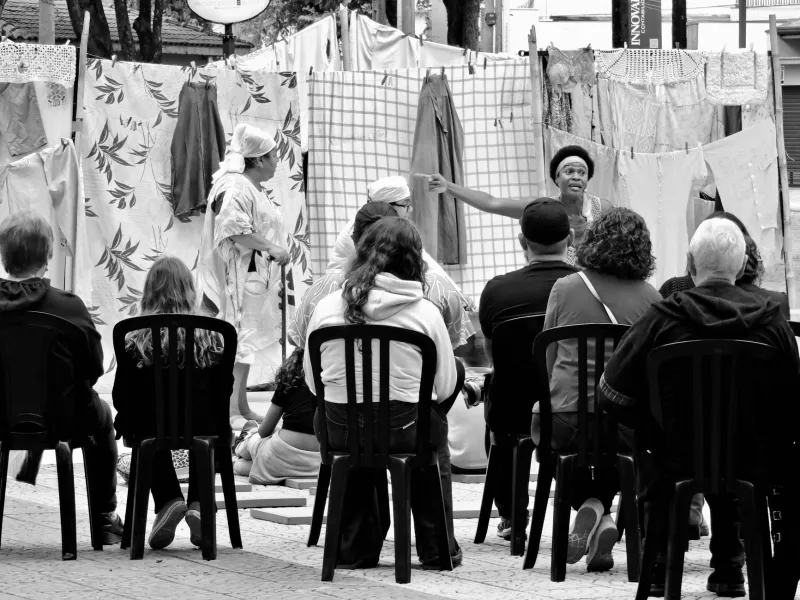
Warehouse floors, apartment living rooms, and converted storefronts are becoming the preferred venues of a growing segment of American dance culture—and the implications of that shift are more complicated than either its advocates or its critics tend to acknowledge. The move away from institutional stages promises authenticity and proximity, but it also raises urgent questions about who, precisely, gets to be close enough to witness.
Traces on the Floor: The Forgotten Archive Beneath Every Dance Studio

Traces on the Floor: The Forgotten Archive Beneath Every Dance Studio

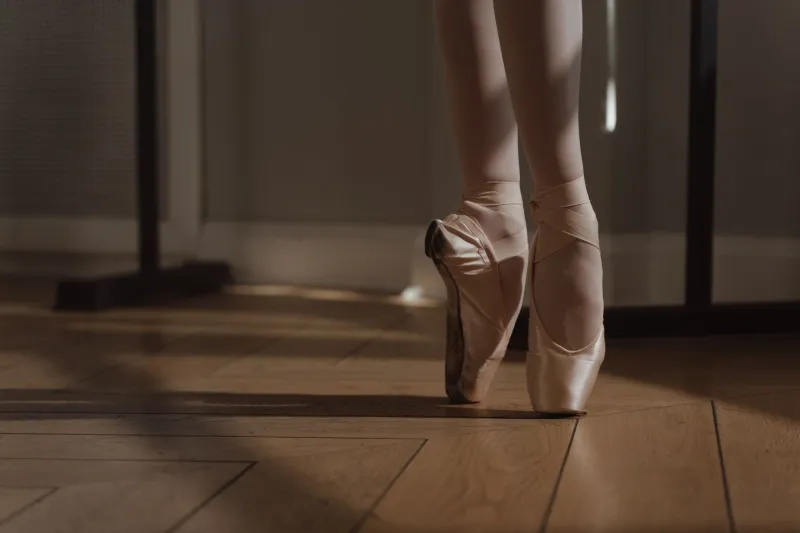
Worn floorboards, rosin dust trails, and mirror scratches are not merely the residue of physical labor — they constitute an unacknowledged archaeological record of American dance. As installation artists and preservationists begin reclaiming these material traces, a larger question emerges about why performance culture has so consistently undervalued its own evidence.

The Language the Stage Has Been Refusing to Hear

The Language the Stage Has Been Refusing to Hear

American Sign Language has its own grammar, its own poetry, its own capacity for metaphor — and yet mainstream dance has treated it, when it acknowledges it at all, as a courtesy rather than an art form. Deaf and hard-of-hearing choreographers are now making that position untenable, building a body of work that demands not accommodation but genuine artistic reckoning. The question worth asking is not whether ASL belongs on the concert stage, but why it has taken this long for the field to admit

The Living Canvas: Inside the Case for Painting and Dance Sharing the Same Stage

The Living Canvas: Inside the Case for Painting and Dance Sharing the Same Stage

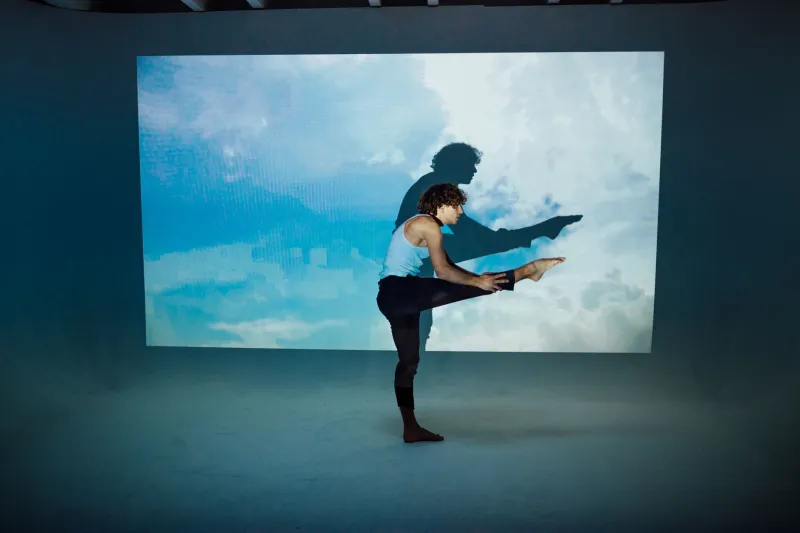
Something shifts in a theater when a painter picks up a brush at the same moment a dancer takes the stage. The audience, accustomed to watching a single discipline unfold, suddenly finds itself navigating two simultaneous acts of creation — and the experience is rarely comfortable, rarely predictable, and almost always unforgettable. Contemporary dance companies across the United States are betting that this productive discomfort represents not a novelty, but the next serious evolution of live p